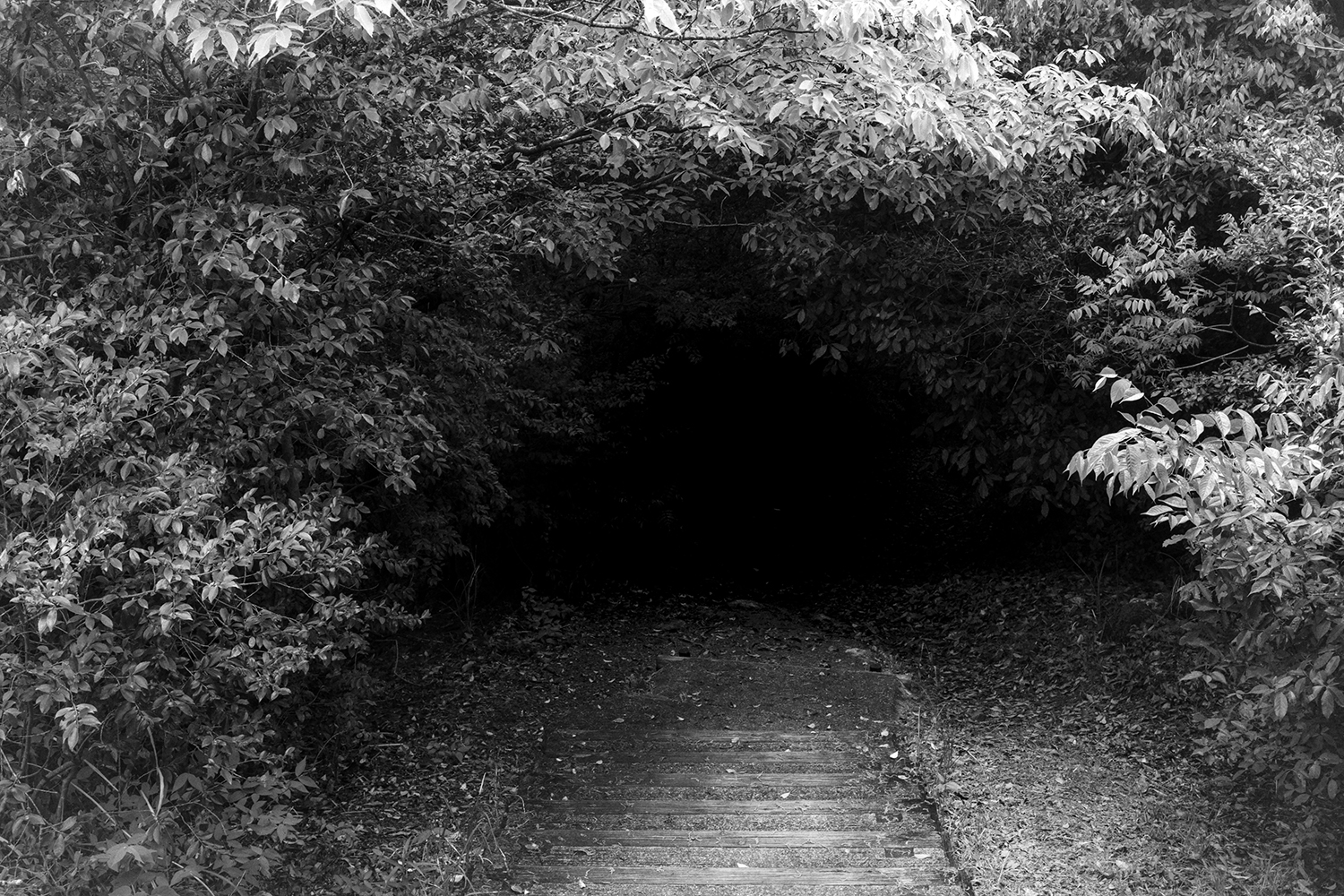
Statement
The earthquake led me to return to my hometown for the first time in thirty years.
As soon as I began living there, I felt a sense of unease.
Mixed with nostalgia was the sensation of standing in an unfamiliar place. Landscapes eroded by the passage of time stood alongside scenes that had been newly overwritten.
The fact that I had not experienced the earthquake firsthand also gave rise to a quiet sense of guilt within me.
My relationship with my hometown had become deeply ambiguous.
For me, my grandmother was the only remaining clue through which I could confirm my connection to this place. In her daily life and in the smallest turns of her speech, I tried to perceive a time that remained certain and unchanged.
Yet even this was gradually changing.
Her shoulders grew thinner each time I saw her, and her voice became fainter.
Her presence seemed to announce the eventual arrival of “that moment.” Even the things I had believed would never change were transforming before I realized it.
Human beings are like fallen leaves, carried along and tossed about by the current.
I pick up my camera as if trying to hold time still.
Each time I pressed the shutter, my heart wavered.
Do I have the right to photograph this place when I do not know its pain? Is it possible that I see nothing at all?
Even amid this conflict, I could only believe that there were things I could reach through the act of photographing.
As I continued, what had once been invisible gradually began to take on a faint outline.
People live with the land, and the land, in turn, exists with its people.
We live in the space where things disappearing and things continually being born intersect.
However uncertain life may be, people possess the strength to accept and overcome.
It is a quiet yet certain light that dwells deep within us.